Field notes: the crew that cleaned the wrong row twice before we caught it
Ask around any cleaning contractor who's worked more than a handful of sites and you'll get some version of this story. A crew shows up with a work order that says Row 14, Block C. They count rows off the access road, find what looks like Row 14, and wash it. Production dips the next quarter, someone pulls the as-built, and it turns out the row they cleaned twice was Row 12. The row that actually needed it, the one with the dust line creeping up from a drainage swale, never got touched.
It's a dumb mistake on paper. In the field it's almost inevitable.
Row numbering drifts for reasons that have nothing to do with the crew's competence. A site gets re-stringed after a module swap and the combiner box labels don't get updated. The as-built from construction shows forty rows per block, but a later change order added three more and nobody renumbered the drawing. Field signage, if it exists at all, fades or gets knocked sideways by a mower.
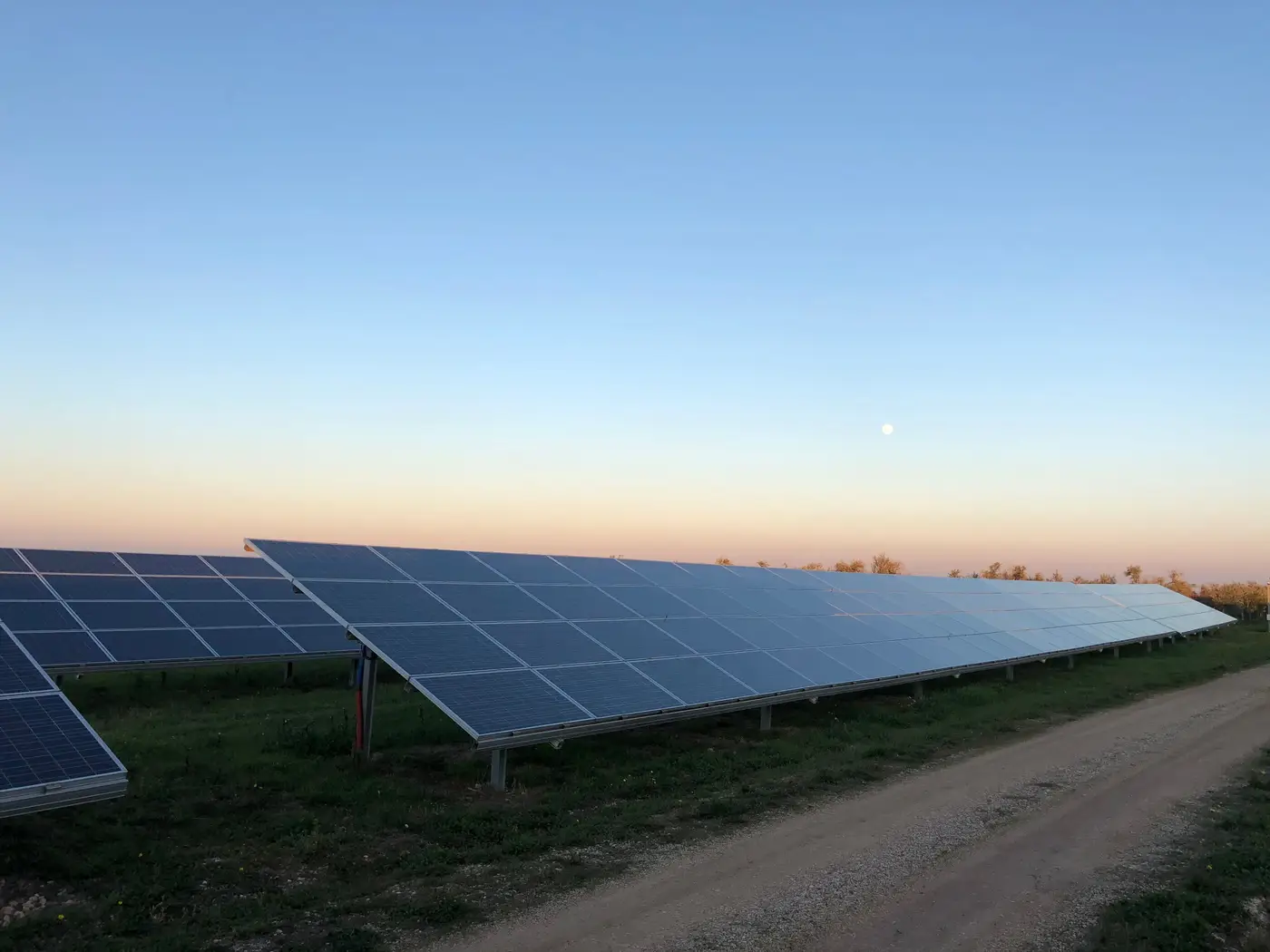
So a crew counting physically from the gate ends up one or two rows off from whatever the work order was keyed to. On a site with uniform racking and identical module counts per table, every row looks exactly like the row next to it. There's no landmark. You're counting fence posts in a cornfield.
What sticks with people is the row that never got touched. If the real problem row sits one table over from the one the crew washed, it can go a full season, sometimes a full year, soiling quietly while the monitoring platform reports a vague underperformance number that gets chalked up to weather or inverter clipping. Nobody's watching string-level output closely enough to catch a few percentage points of loss on one table out of four hundred. By the time it shows up as a real dollar figure, the crew's already off-site and the next scheduled wash is months out.
People reach first for better signage or a stricter checklist. Both bring the miscount rate down some. Neither solves the underlying problem: a ground crew still has no reliable way to confirm they're standing at the row a report describes. Counting rows on foot works until it doesn't, and it fails silently. Nobody radios in to say "I think I miscounted." The wash happens, the truck leaves, and the mistake sits there until someone notices a production number that doesn't add up.
What closes the gap is tying the finding to something a crew can locate without counting at all, like a GPS coordinate or a labeled string ID pulled straight off imagery of the array rather than off a drawing that's three change orders out of date. That's the part a handheld thermal gun on a walk-through can't give you. You can spot a hot cell from the ground, but you can't always be sure which row you're looking at, especially on a big site where the geometry repeats for half a mile.
Panel Soiling flies the whole array once a year, pairs the thermal pass with RGB so a finding comes with a picture of the actual table, and hands the crew a ranked list tied to location rather than a row count. It doesn't replace the crew. It just means the work order says something closer to "this table, this corner, this cell" instead of "Row 14, good luck."
If your crews have ever cleaned the wrong row and found out three months later, that's worth a look before the next scheduled wash.