Field notes
Blog
 How to estimate cleaning ROI from a soiling loss percentage
How to turn a soiling loss percentage into a dollar figure, run it against cleaning costs, and rank crew schedules by real payback instead of a fixed calendar.
 RGB vs thermal imagery: what each one catches in a solar O&M inspection
RGB shows soiling and damage you can see. Thermal shows hot cells and string outages you can't. Here's what each pass catches and why O&M crews need both.
- Annual flyover vs continuous SCADA monitoring: what each one actually catches
SCADA alarms flag a string underperforming. Here's what a thermal flyover catches that your DAS never will, and why O&M teams run both.
- Field notes: the crew that cleaned the wrong row twice before we caught it
A common cleaning-crew mix-up: row numbers that drift between as-builts and field signage, and the soiled string that sits untouched because of it.
- Crewed aircraft vs. drone thermal survey: picking the right platform
How O&M teams choose between a drone and a crewed aircraft for annual thermal surveys, and what GSD means for finding hot cells.
 Tracking repeat soiling hotspots across multiple annual flyovers
How to spot the tables that show up on the findings dossier year after year, and what a repeat hotspot usually means for your crew.
 Field notes: the table that ranked first on the dossier and dead last on the walk
A field tech's story of a top-ranked dossier finding that was nothing, and a low-ranked one that wasn't, and what that means for reading a findings list.
- Tracker misalignment vs. soiling loss: reading the difference in a performance report
How to read a solar performance report to tell tracker misalignment from soiling loss, by time-of-day shape and spatial pattern across the array.
- Ground sample distance explained: what it means for solar thermal inspection
What ground sample distance (GSD) means for solar thermal drone inspections, and how close a flight needs to be to resolve a single hot cell.
 What an IV curve tracer tells you (and what it doesn't)
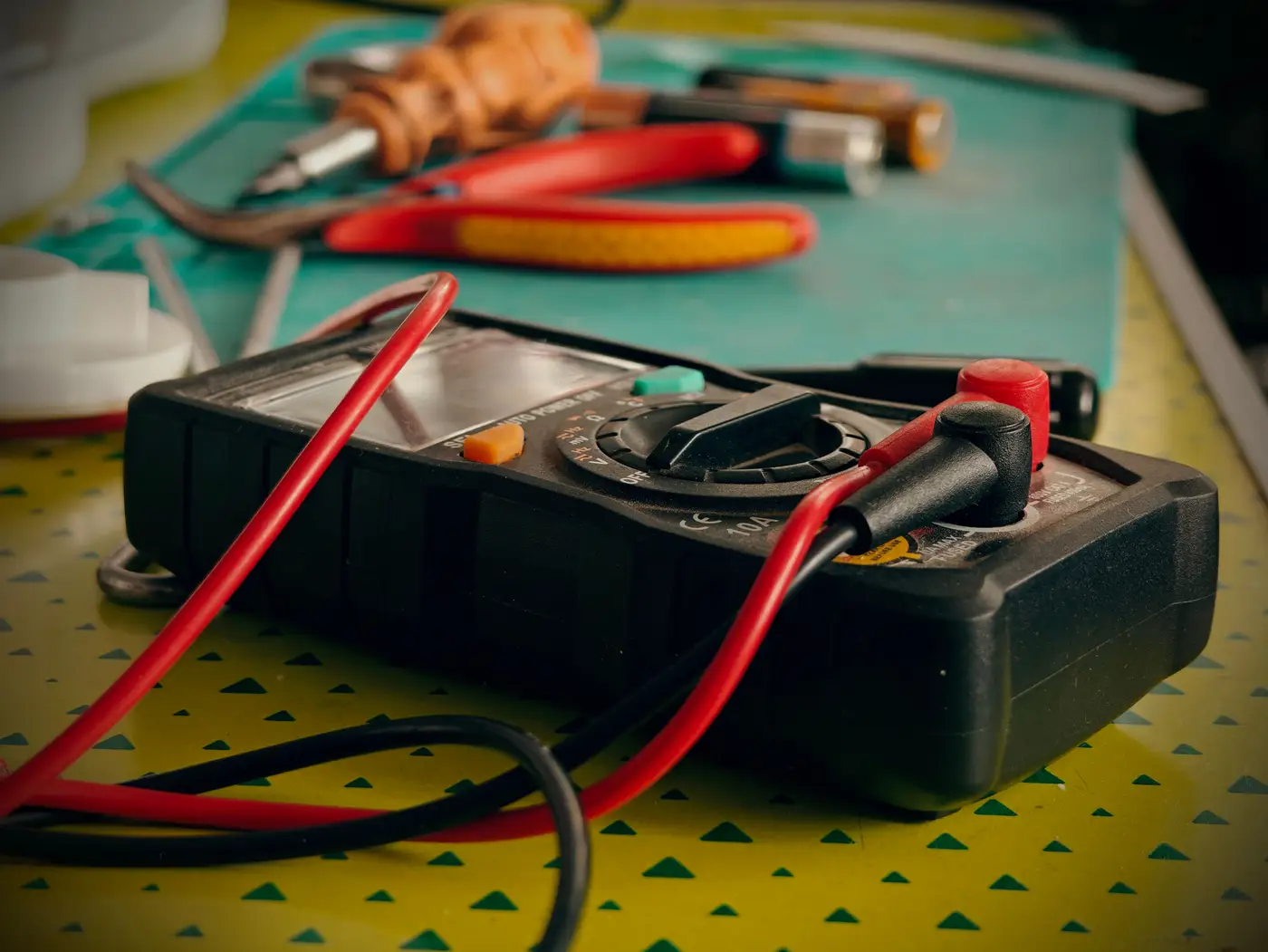
IV curve tracers catch string-level degradation one combiner at a time. Here's where they stop and why crews still need eyes on the whole array.
- Field notes: the flyover that caught a string outage three days before the SCADA alarm did
Why a SCADA alarm lagged three days behind a dead string, and what a paired RGB and thermal flyover sees that combiner-level monitoring can't.
- Diode bypass failure vs. cracked cell in thermal imagery
How to tell a failed bypass diode from a cracked cell in thermal scans: pattern shape, size, and what each means for string repair.
- How to read a ranked findings dossier before dispatching repair crews
A ranked findings dossier tells you what's wrong and where. Here's how to turn that list into a work order that sends the right crew to the right table.
- Bird streaking vs. uniform dust soiling in thermal scans
How bird droppings and uniform dust soiling show up differently in thermal imagery, and why the distinction changes which crew you send out.
- How to prioritize which solar tables to clean first
A ranked approach to deciding which rows get the wash crew first, based on soiling loss by table instead of a fixed route.
- Dry cleaning vs wet washing solar panels: which one fits your site
Dry cleaning vs wet washing solar panels compared on water access, soiling type, and labor cost, so O&M crews can match the method to the site.
- How often should you clean solar panels? It depends on the site
There's no universal cleaning interval for solar panels. Here's what drives soiling loss and how to find out which tables need it now.
- String outage vs. module failure: how to tell the difference
How to tell a dead string from a failed module using combiner box readings, thermal signatures, and IV curve data before you dispatch a crew.
- What is soiling loss in solar PV? A working definition
A plain-language definition of soiling loss in solar PV, what causes it, and how O&M crews find it on a live array.