How to read a ranked findings dossier before dispatching repair crews
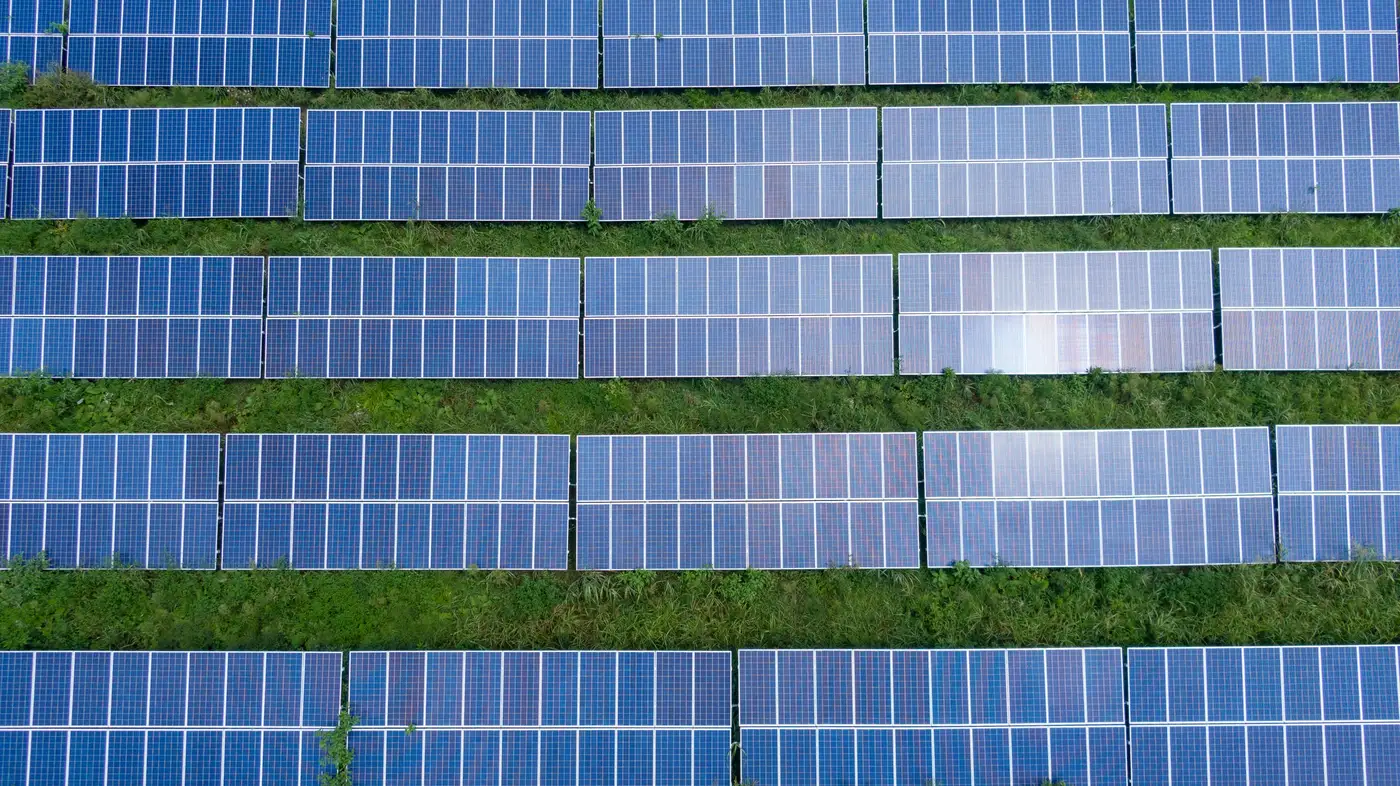
A ranked findings dossier lands on your desk once a year, usually right before the dry season or right after monsoon runoff finally stops, and it's tempting to skim the summary page and forward it to whoever's free. That's how a bird-streaking finding ends up ahead of a hot cell on next week's work order. The dossier did its job. Reading it wrong is on the scheduler.
What's actually in the findings list
Each entry in the dossier ties back to a specific table or row, usually by inverter block and combiner string, with a paired RGB and thermal image and a short description of what the camera caught. A finding might read "Table 14-B, string 3: elevated thermal signature consistent with cell-level fault" or "Row 22-19 through 22-24: soiling pattern, uneven panel-to-panel delta." Some findings are electrical. Some are housekeeping. The dossier ranks them, but ranking only tells you urgency, not which trade shows up.
That distinction matters more than the rank number. A hot cell finding needs a module tech who can pull the panel and check for delamination or a bad bypass diode. A string outage finding needs someone with a multimeter checking combiner fuses, not a wash crew. A soiling cluster needs the wash truck on the schedule, not a repair ticket at all. Before you assign anything, sort the list by trade first, then by rank within each trade. A findings dossier that's just read top to bottom as one queue is the fastest way to send a wash crew sixty rows past a fault they can't fix.
Turning the ranking into a work order
Once the list is split by trade, the rank inside each group tells you sequence. Hot cells and suspected cell-level faults generally go first, because a cell that's already running hot keeps degrading and can take out more of the string or, in rare cases, start a fire risk the longer it sits. String outages come next since they're pure lost production with no safety clock running. Soiling findings get folded into whatever wash route is already planned for that block, grouped by combiner so one truck pass covers the whole cluster instead of three separate trips.
A few things worth checking before the crew rolls out:
- Cross-check against your ticket history. The dossier is a snapshot from flight day. If a string outage finding matches a breaker trip your SCADA already flagged and a tech already cleared, don't send a second crew to re-diagnose it.
- Match severity to crew capacity. If the dossier flags four hot cells in the same week you've only budgeted two module-tech hours for, that's a scheduling call, not a technical one. Take the top two by rank and roll the rest into the following week's route.
- Note the GSD and cadence. At the resolution this kind of flyover captures, a finding described as a few adjacent cells is a real fault, not noise from a dusty lens. That's worth knowing before a tech drives out expecting to find nothing.
The dossier format is built around this kind of triage. Each finding gets its own numbered entry with the paired imagery sitting right next to the write-up, so a scheduler isn't cross-referencing a separate thermal map against a separate inspection PDF to figure out which table is which. If you haven't seen how a findings-first inspection report gets structured, it's worth a look before your next flyover cycle, since the format itself is what makes the ranking usable at dispatch time instead of just informative at review time.
Where crews waste time
Most of the wasted hours on dispatch day trace back to one of two mistakes: treating the whole dossier as a single priority queue instead of splitting by trade, or sending a crew out without checking whether a ticket already closed the finding. Neither is a flaw in the dossier. Both come from reading it like a report instead of reading it like a work order generator, which is what it's actually for.
If your last site walk-through still means a tech with a handheld thermal camera working row by row, a paired RGB and thermal flyover with a ranked dossier is worth a look before your next inspection cycle.