Ground sample distance explained: what it means for solar thermal inspection
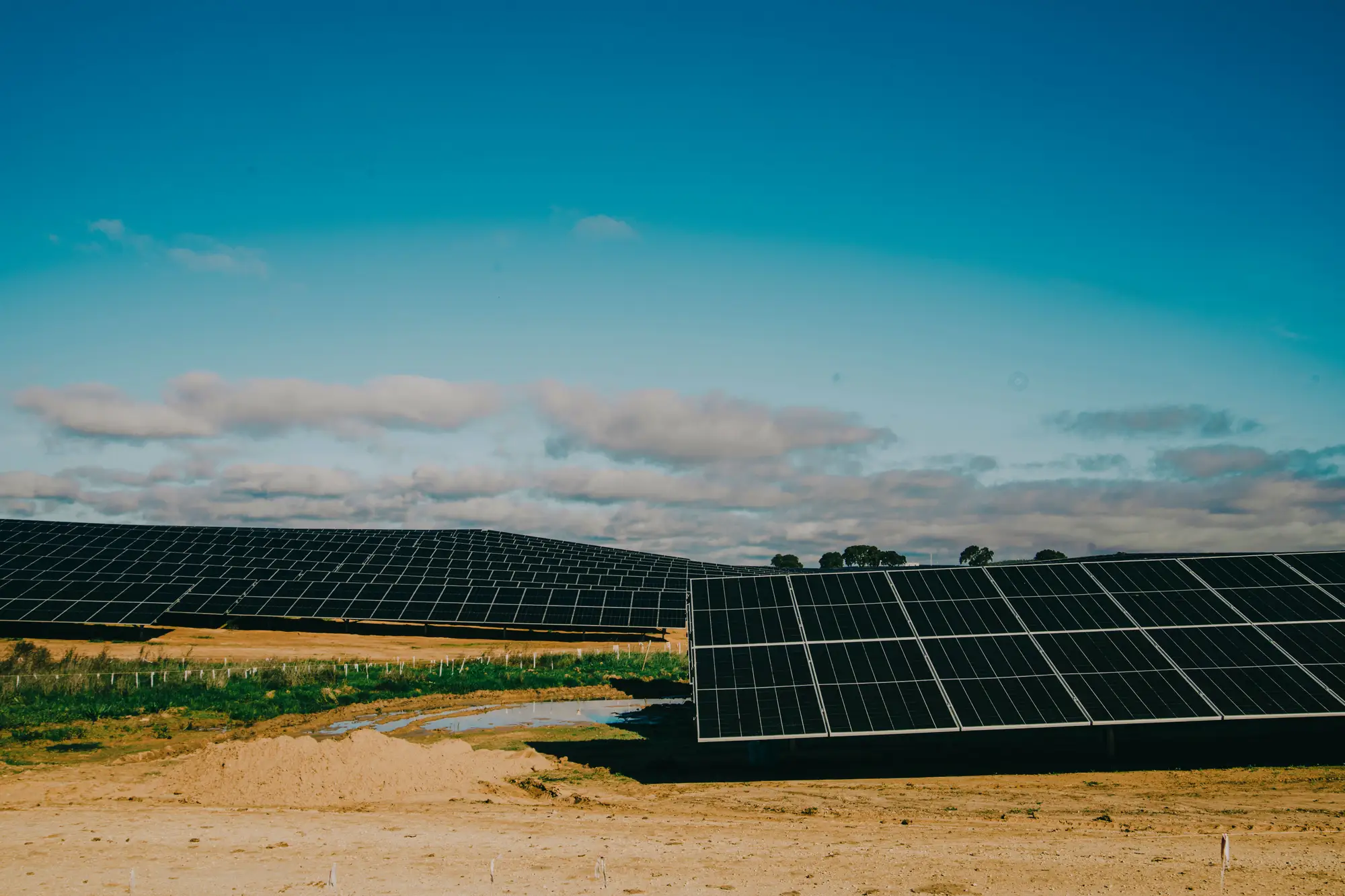
Ground sample distance is the one spec that actually tells you whether a thermal flyover can find your problem, or just hint at it. It's the resolution number hiding behind every piece of solar thermal imagery you get handed after a flight, and everything else on a drone inspection quote, sensor brand, megapixels, flight hours, is secondary to it. If you've ever gotten a thermal report back and squinted at a warm blob trying to figure out if it's one cell, a bypass diode, or three panels with loose connectors, GSD is usually why.
What ground sample distance measures
GSD is the size of the real-world patch of ground, or panel, that one pixel in your image represents. A 3 cm GSD means each pixel covers a 3 cm by 3 cm square on the array. Fly higher or use a lower-resolution sensor and that square gets bigger, say 10 cm or 15 cm per pixel, and smaller faults start blending into the pixels around them.
This matters more for thermal than for RGB. A standard solar cell runs somewhere around 16 to 18 cm across, depending on the module. At a 3 cm GSD, a hot cell is represented by roughly five or six pixels across, enough to read as a distinct shape with real temperature contrast against the cells next to it. At a 10 or 15 cm GSD, that same cell might be one or two pixels, which the camera will happily average in with its cooler neighbors. The defect doesn't disappear from the data, it just gets smeared into "slightly warm area, location unclear."
How close does a drone need to fly to see a hot cell
There's no single altitude that works everywhere, because GSD depends on the sensor's pixel pitch, the lens focal length, and flight height together, not altitude alone. A thermal sensor with a coarser pixel pitch has to fly lower to hit the same GSD as a sharper one. This is why two companies can both say "we fly thermal drones" and deliver very different resolution, and why it's worth asking for the GSD number itself rather than just "drone" or "aerial thermal" on a proposal.
What you need depends on what you're trying to catch. A string outage or a full module failure shows up as a big, obvious temperature difference and tolerates a looser GSD. A single cracked cell, a hot spot from a shaded corner, or an early-stage connector issue needs fine enough resolution to isolate that one cell from the panel around it, which is why cell-level GSD gets specified at all for this use case.
Why the resolution number changes what your crew does Monday morning
The resolution number matters most at the dispatch stage. A report built on coarse GSD flags a table as running warm, and a tech still has to walk that row with a handheld thermal camera to find the actual cell before anyone can open a junction box. A report built on finer GSD, paired with RGB to confirm what's in frame, points to a specific panel and position, often with the likely cause already distinguishable: a single cracked cell, a full string out, or a soiling pattern spread across several tables.
For an O&M team covering a site with limited crew hours, that's the difference between a findings list a tech can work from as-is and one that generates a second site visit just to locate the problem the first flight supposedly already found.
What to ask a drone provider before you book a flyover
Don't accept "high resolution" as an answer. Ask for the GSD number specifically, ask whether it's the RGB GSD or the thermal GSD, they're usually not the same, and ask how it was measured: flight altitude plus sensor spec, not a marketing claim. A provider who can't answer this in one sentence probably hasn't had to answer it before.
Panel Soiling flies RGB and thermal together at a ground sample distance of 3 cm or finer, which is why the dossier comes back with findings tied to a specific table and cell rather than a heat map you still have to interpret. If your current inspection report leaves your crew guessing which panel to pull first, take a look at how the findings are structured before your next scheduled flyover.